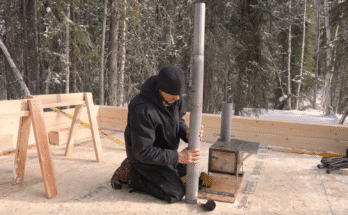
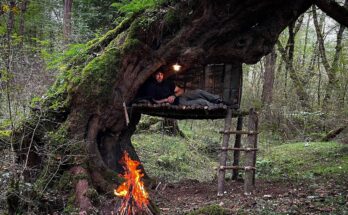
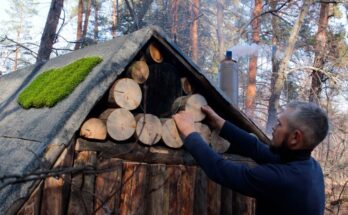
As winter draws near and the forecast hints at snow, there’s no better time to wrap up projects around the homestead — especially if you’re living off-grid or in a log-cabin setting. In the video, the creator of the “My Self Reliance” channel takes us through final preparations ahead of an approaching snowstorm: milling lumber, relocating the sawmill, and weatherproofing the cabin’s doors and windows. The process offers both a practical lesson in self-reliant building and a timely reminder: winter won’t wait. YouTube
Why Late-Fall Prep Matters
Winter storms bring more than just snow: freezing rain, ice, wind, and frigid temperatures can all threaten the integrity of a cabin — and the safety and comfort of anyone inside. According to official winter-storm guidance, it’s critical to weatherproof homes in advance: insulate water lines, seal doors and windows, and ensure structural integrity so you don’t wind up dealing with leaks, frozen pipes, or energy loss mid-storm. CDC+2Ready.gov+2
Doing this work before the first snow hits is key. Cutting corners now means risking emergency fixes later — when travel may be dangerous, power may go out, and tools may be inaccessible.
Milling Lumber: Building Your Resource Stockpile
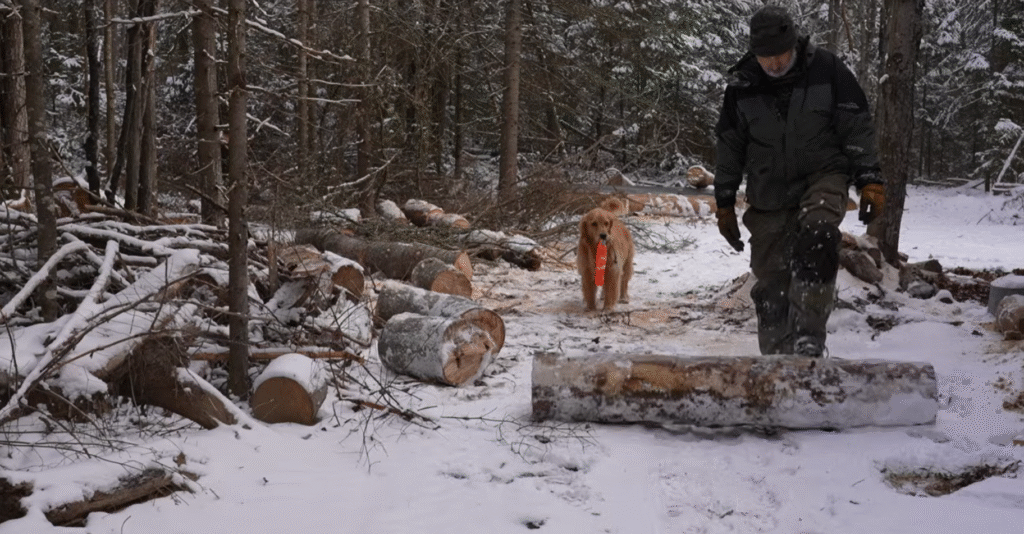
One striking feature of the video is the decision to mill lumber before the winter weather closes in. The creator hauls a sawmill to a spot beside the cabin and drags logs next to it — demonstrating a mindset of “raw materials now, refinements later.” YouTube
Why this matters:
- Supply when it’s scarce: Once snow piles up, even accessing timber becomes hard. Milling now means you have ready-to-use lumber for trim, repairs, framing, or future projects all winter.
- Safer working conditions: Fall’s milder weather is easier on both people and tools. Chainsaws, sawmills, and hand tools perform more reliably before freezing or dampness sets in.
- Flexibility: With freshly milled wood stacked near the cabin, you can make adjustments or add structural elements — like extra trim or shutter frames — with minimal hassle, rather than trying to source lumber mid-storm.
The video shows a kind of “homestead wisdom”: plan ahead, use what you have, and don’t wait until the last minute.
Weatherproofing: Trimming Windows & Doors for Winter
Once sufficient lumber is prepared, focus shifts to weatherproofing — especially around doors and windows. In the video, the creator trims the front door and windows, using a sliding top-trim piece to allow for settlement. This temporary trim can later be swapped for something more finished, but the initial priority is functional: keep drafts, snow, and cold air out. YouTube
Why such care matters:
- Seal out drafts & cold: Properly trimmed and sealed windows and doors substantially cut down on heat loss, reducing energy needed for heating or wood-burning stoves. This is basic winter-readiness guidance from safety organizations. CDC+2Ready.gov+2
- Prevent water & ice damage: A snug window/door frame reduces the risk of water intrusion, which can freeze, expand, and damage woodwork or foundations.
- Plan for cabin settling: Wood cabins — especially handcrafted or log cabins — often shift or settle over time. Using a sliding top trim accounts for this movement, avoiding misaligned doors/windows or cracks during cold months.
Overall, this is about combining practicality with foresight: doing what needs to be done now so you don’t regret it when the storm hits.
Other Critical Winter-Readiness Considerations
While the video focuses on two main tasks (lumber milling and window/door trim), winter preparedness involves a broader checklist. As compiled from reputable winter-safety authorities: CDC+2Ready.gov+2
- Insulate water lines & pipes — especially those on exterior walls or exposed to cold. Frozen pipes can burst, causing major property damage. CDC
- Seal doors and windows — with caulking, weather-stripping, or plastic coverings. This helps retain heat and keeps out cold air, snow, and water. Ready.gov+1
- Inspect heating systems & ventilation: If you use a wood stove, fireplace, or alternative heating system, make sure the flue or chimney is clear. Install or test smoke and carbon monoxide detectors, especially if using fuel-based heat. CDC+1
- Plan for power outages: Snowstorms often knock out power or cut off services. Have backup heating, flashlights, batteries, emergency supplies, and food/water ready. Ready.gov+1
- Secure the exterior: Remove loose materials, secure shutters or windows, brace doors. Heavy snow, wind, or ice can cause branches or debris to fall — making loose items a hazard. Cal OES News+1
The Homestead Mentality: Self-Reliance & Timing
What makes the video more than just a “how-to” is the underlying philosophy: prepare before you need it. The decision to mill lumber now — despite no immediate project — reflects a mindset of readiness. It’s about thinking several steps ahead: wood for trim, repairs, even new projects, all pre-cut and waiting, while the weather is still mild.
Similarly, trimming and sealing the cabin before a storm demonstrates respect for the forces of nature — not just reacting, but anticipating. It’s a kind of “winter-proofing discipline” that many traditional builders and off-grid dwellers follow.
For those of us in climates where snow isn’t a constant — or who simply don’t live in remote cabins — the same logic applies, albeit in adapted form. Whether it’s preparing storm shutters, weather-proofing windows and doors, clearing gutters, or stocking up on firewood or heating fuel — timing is everything. Getting ahead can save a lot of inconvenience, danger, or expense later.
Conclusion: Winter Is Coming — Get Ready, Now
The video “Winter is Coming! Preparing for an Approaching Snowstorm, Milling Lumber, Window Trim” shines because it isn’t just a demonstration of woodworking or homesteading — it’s a call to preparedness. It reminds us that when winter hits, ideal working conditions disappear, and the cost of being unprepared can be high.
By milling lumber now, securing building materials, sealing windows and doors, and doing basic winterizing tasks, you can give yourself — and any building you live or work in — a much better chance of weathering the storm, comfortably and safely.
If you run an off-grid cabin, log home, workshop, or even just a house in a cold region — treat this video as a blueprint. And for those in milder climates: replace “snowstorm” with “rainy season,” “windstorm,” or “cold snap,” and the same principles apply. With a bit of foresight and elbow grease, winter doesn’t have to mean hardship — it can mean readiness.